

Advancing Patient Care Through the Use of OraRisk® HPV Salivary Testing: An Interview with Camille Luke

Dr. McGlennen: Tell me how and why you utilize OralDNA® salivary diagnostics. Camille RDH: Currently we use the OraRisk® HPV test in 5 different dental practices.  Our team members use this test as part of our oral cancer screening process.  At a continuing education course, we were introduced to the correlation between HPV and oral cancer, and felt this would be an important service to provide for our patients, especially with the increased risk of developing oral cancer associated with ...
Read More
Definition: Collecting a Salivary Diagnostic Specimen

According to an article written in the Journal of Clinical Microbiology, January 2009, “Saliva is a representative diagnostic specimen for an overall view of the oral microbiota, since bacteria from various sites and surfaces of the oral cavity are found in saliva and mouth rinses.”1 The OralDNA® salivary diagnostic collection is based on this principle, among several others, supporting saliva as a testing medium. Over the past decades, cumulative research has been instrumental in elevating ...
Read More

Managing Atherosclerotic Disease: Medical and Dental Collaboration- The New Standard of Care

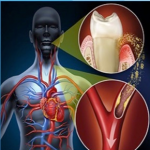
Medicine and dentistry have long been aware of the connection, association, and direct links between high-risk periodontal pathogens and cardiovascular disease. Knowledge alone has a limited potential to change chronic disease outcomes unless it leads to new clinical practices. Effective and proven new protocols to identify and mitigate virulent periodontal microbes are available today. A small percentage of dentists have implemented these practices and the majority of physicians are unaware...
Read More

Salivary Diagnostics, Lasers and Beyond…

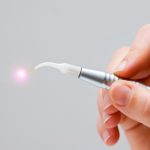
As a hygienist, one of my main duties is to provide non-surgical therapy for the treatment of periodontal disease. The goal, (during the non-surgical treatment approach), is to change the environment of the pocket, address the active infection and keep the patient in remission as long as possible. Meticulous removal of sub-gingival calculus with hand instruments and micro-ultrasonics is crucial. We must provide a biologically acceptable root surface. In addition to detoxifying the root su...
Read More